
For rack-based projects
LR-B
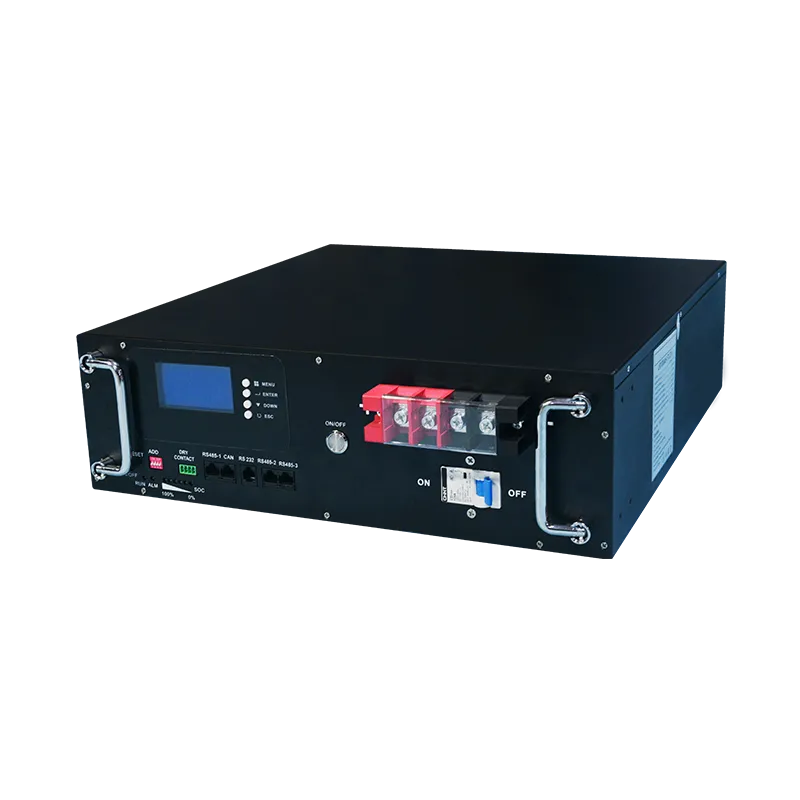
Make room for a battery bank.
Choose LR-B when the project is organised around a rack. Think about access, module weight and the space for future matching modules.
Rack format · Front connections
Explore LR-BWhich battery fits your customers?
A home-storage range, a rack project or power for life on the road? Let’s start with the application and find the right options together.
Four battery series. A clearer choice.
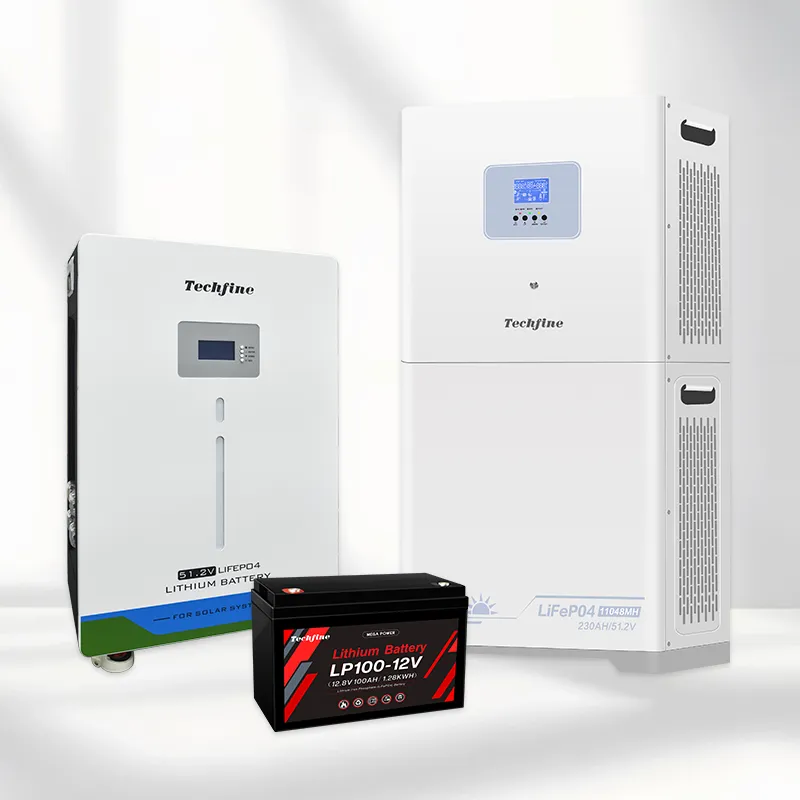
Start with where it works.
Home / Rack / Auxiliary
Start with the application
You don’t need a model number yet. Choose the setting closest to your customer’s needs—we’ll take it from there.

Home solar & backup
For customers pairing batteries with a home inverter, start with LB or LC. The installation space and inverter model will help narrow the choice.
Compare LB & LC Series
Planning a rack-based battery bank? LR-B gives you a rack format with front access for connections and status.
Explore LR-B Series
For cabin, trailer and RV auxiliary loads, explore LP. Choose the battery bank and charger as a pair.
Explore LP SeriesLooking for the inverter and battery in one unit?
Explore all-in-one systemsGet to know the range
Here’s what makes each series worth a look. When one feels right, open its product page for the models and full specifications.
Home storage · LB + LC
Neither needs to be the default for every customer. Start with the space available and the inverter you’re pairing it with.

LB SERIES
Choose LB when a visible charge indicator is useful to your customer. Look at the wall or floor model that suits the site.
Explore LB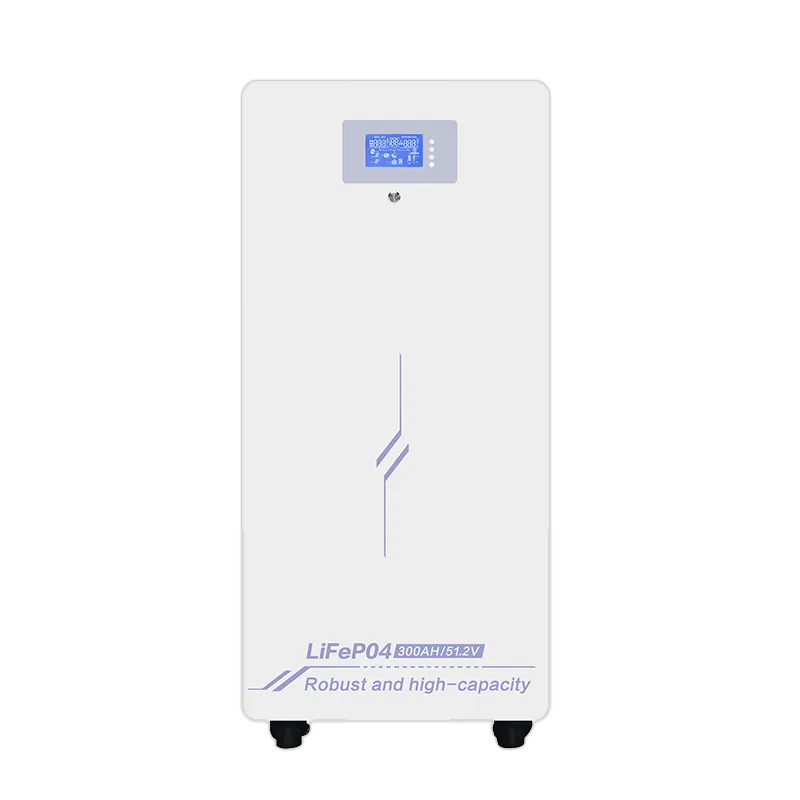
LC SERIES
Compare LC’s wall and floor models alongside LB. We’ll help you work through the enclosure, capacity and inverter match.
Explore LCOur advice: if both meet the same need, start with the one your customers can install and support most easily.
For rack-based projects
Choose LR-B when the project is organised around a rack. Think about access, module weight and the space for future matching modules.
Rack format · Front connections
Explore LR-BFor auxiliary power

Choose LP for 12.8 V auxiliary loads in cabins, trailers and RVs. It’s for stored energy, not engine starting.
12.8 V · Auxiliary loads
Explore LPFor your distribution business
You don’t need to carry every series. A useful starting range covers the jobs your customers bring you most often.
We can help you choose the core range—and spot when another format adds something useful.
Talk through your rangeA practical starting mix
Your regular home-storage demand
Choose around the inverters and installation formats your customers already use.
Add for rack projects
Bring in rack batteries when those enquiries become part of your business.
Keep auxiliary power distinct
Help cabin, trailer and RV buyers find a battery and charging setup for their loads.
From product choice to your brand
Once you have a battery shortlist, let’s look at how it will reach your customers.
White label
Want a standard battery without a logo? Share the series you have in mind, and we’ll check the available models and supply scope.
Private label
If you’re building a brand, let’s talk about product presentation, labels and packaging alongside your battery selection.
Also planning local assembly?
If locally assembled inverters are part of your range, explore the SKD supply options alongside your battery plans.
View inverter SKDLet’s check the fit
You don’t need to arrive with a finished specification. These three details help us ask the right next questions.
Bring what you know
01
An inverter model—or the planned charger—is a useful place to start.
02
Tell us the main loads and how long you need them to run.
03
Wall, floor or rack? A photo and available dimensions help.
We’ll check voltage, communication and charging requirements for the exact battery–inverter combination.
A few questions we can help with
Do I need both LB and LC in my range? +
Not necessarily. If both cover the same customers and installations, start with a focused selection. Add the second when its models or enclosure give your buyers a useful choice.
Can you help match an existing inverter? +
Yes—send us the model. We’ll review the battery voltage, communication and charge/discharge requirements before recommending a pairing.
How do I choose the battery capacity? +
Start with what needs to run and for how long. We’ll look at power demand as well as stored energy, so the choice fits the job.
What if I’m still planning my product range? +
That’s a good time to talk. Share your market, customer types and the applications you expect to sell into. An estimated quantity and your branding plans will help us narrow the options.
Let’s talk batteries
Tell us about your customers or your next project. We’ll help you work through the options and decide what to explore next.
A market, an application or an inverter model is enough to start the conversation.
Talk through your battery range Already have a model? Find its documents