
Lead acid batteries and lithium ion batteries are two common energy storage technologies used in solar systems, UPS backup, vehicles, telecom power, and industrial applications. Both can store electrical energy, but they differ significantly in weight, cycle life, usable capacity, charging speed, maintenance, and long-term cost.
Lead acid batteries are known for their low upfront cost and mature technology. Lithium ion batteries, especially LiFePO4 batteries, are widely used in modern solar storage systems because they offer longer lifespan, higher usable capacity, lighter weight, and better performance for daily cycling.
What Is a Lead Acid Battery?
A lead acid battery is a rechargeable battery that uses lead plates and sulfuric acid electrolyte to store energy. It has been used for decades in automotive starting batteries, UPS systems, telecom backup, and solar storage.
Common lead acid battery types include flooded lead acid, AGM, and GEL batteries. They are affordable and widely available, but they are usually heavier and have a shorter cycle life than lithium-based batteries.
What Is a Lithium Ion Battery?
Lithium ion batteries are rechargeable batteries that move lithium ions between the cathode and anode during charging and discharging. They include several chemistries, such as NMC, NCA, LCO, and LiFePO4.
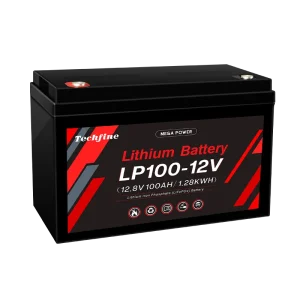
For solar storage and backup power applications, LiFePO4 batteries are especially popular because they provide strong safety, long cycle life, and stable performance.
Lead Acid Battery vs Lithium Ion Battery: Key Differences
| Feature | Lead Acid Battery | Lithium Ion Battery |
|---|---|---|
| Upfront Cost | Lower | Higher |
| Cycle Life | Shorter | Longer, especially LiFePO4 |
| Usable Capacity | Usually lower depth of discharge | Higher usable capacity |
| Weight | Heavier | Lighter |
| Charging Speed | Slower | Faster |
| Maintenance | May require maintenance depending on type | Usually maintenance-free |
| Best For | Low-cost backup and standby systems | Solar storage, daily cycling, long-term use |
Advantages of Lead Acid Batteries
- Lower initial purchase cost
- Mature and widely available technology
- Suitable for standby backup applications
- Easy to source and replace
- Available in flooded, AGM, and GEL types
Limitations of Lead Acid Batteries
- Heavier and bulkier than lithium batteries
- Shorter cycle life in deep-cycle applications
- Lower usable capacity
- Slower charging
- Flooded types may require regular maintenance
Advantages of Lithium Ion Batteries
- Longer cycle life
- Higher energy density
- Lighter weight
- Faster charging
- Higher usable capacity
- Better for daily solar storage applications
Limitations of Lithium Ion Batteries
- Higher upfront cost
- Requires a proper Battery Management System
- Must be matched with compatible chargers and inverters
Which Battery Is Better for Solar Storage?
For solar energy storage, lithium ion batteries—especially LiFePO4 batteries—are usually the better long-term choice. They provide more usable energy, longer cycle life, faster charging, and lower maintenance.
Lead acid batteries can still be a practical option for users with limited budgets or systems mainly used for occasional backup power.
For modern solar systems, LiFePO4 battery systems are often paired with an off-grid inverter or hybrid inverter to build a reliable energy storage solution.
Which Battery Should You Choose?
Choose lead acid batteries if your priority is low upfront cost and your system is mainly used for standby backup.
Choose lithium ion batteries if you need long cycle life, daily charging and discharging, lighter weight, and better long-term performance.
Conclusion
Lead acid batteries and lithium ion batteries both have their place. Lead acid batteries remain cost-effective for basic backup applications, while lithium ion batteries are better suited for solar storage, frequent cycling, and long-term energy systems.
The right choice depends on your budget, load demand, available space, cycle requirements, and expected service life.