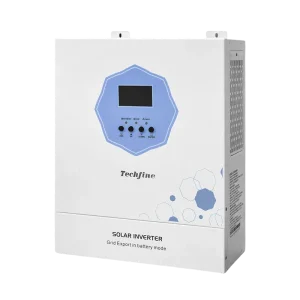


If you’re exploring ways to get the most out of your solar energy system, you’ve probably come across the term MPPT inverter. But what exactly is it, and why does it matter? In this guide, we’ll break down everything you need to know about MPPT inverters—how they work, their advantages, and why they’re a smart choice for anyone serious about solar power.
What are MPPT Inverter?
An MPPT inverter, or Maximum Power Point Tracking inverter, is a sophisticated device designed to extract every bit of energy from your solar panels. Unlike traditional inverters that operate at a fixed voltage, MPPT inverters constantly adjust to find the “sweet spot” where your panels produce the most electricity. This means you get more power, even when conditions like shading, temperature changes, or low sunlight might otherwise reduce efficiency.
Think of it as a smart assistant for your solar panels—it’s always working behind the scenes to ensure you’re getting the best possible performance.
How Does an MPPT Inverter Work?
MPPT inverters use sophisticated algorithms and digital signal processing to track the MPP of a solar panel. These algorithms consider various factors such as temperature, shading, and panel orientation, and adjust the inverter’s output voltage and current to maintain the MPP. This process is performed continuously, allowing the MPPT inverter to maintain maximum efficiency even under changing weather conditions or shading. The continuous adjustment ensures that the solar panels are always operating at their optimal power output.
Advantages of MPPT Inverter
At its core, an MPPT inverter uses advanced algorithms to track the maximum power point (MPP) of your solar panels. Here’s how it happens:
Monitoring: The inverter continuously measures the voltage and current output from your solar panels.
Calculation: It determines the optimal operating point at which the panels produce maximum power.
Adjustment: By adjusting its input impedance, the inverter ensures that the panels operate at peak efficiency.
This process happens in real-time, adapting to changing environmental conditions. For example, if a cloud passes over or part of your panels gets shaded, the MPPT inverter adjusts instantly to keep energy production high.
Why Choose an MPPT Inverter?
There are plenty of reasons why MPPT inverters have become the go-to choice for solar systems. Here’s why they stand out:
1. Boosted Energy Harvest
MPPT technology can increase energy production by up to 30% compared to older inverter types. That’s a significant boost, especially for larger systems where every watt counts.
2. Cost-Effective in the Long Run
While MPPT inverters may cost more upfront, their ability to extract more power from the same panels means you save money over time. Fewer panels, lower installation costs, and reduced energy bills make them a smart investment.
3. Versatility
Whether you’re dealing with mismatched panels, varying angles, or fluctuating weather, MPPT inverters adapt effortlessly. They’re perfect for both residential setups and large-scale commercial installations.
4. Better Performance in Low Light
On cloudy days or during early mornings and late afternoons, MPPT inverters shine. They maintain higher efficiency levels even when sunlight is limited, ensuring consistent energy output.
MPPT vs PWM: Which One Fits Your Needs?
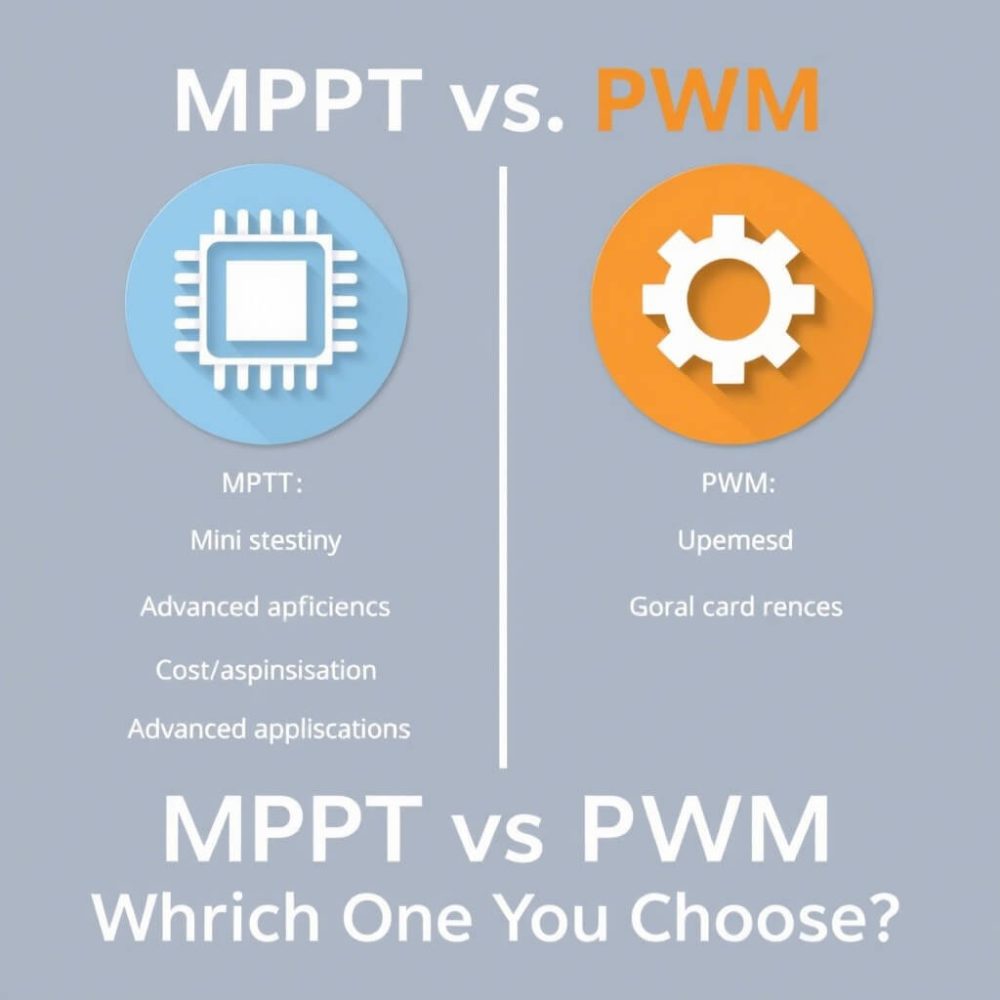
| Feature | MPPT Inverter | PWM Inverter |
|---|---|---|
| Efficiency | Up to 98% | Around 75-80% |
| Cost | Higher upfront cost | More budget-friendly |
| Best Use Case | Large systems, off-grid setups | Small, simple setups |
Where Are MPPT Inverters Used?
MPPT inverters are incredibly versatile and can be found in a variety of applications:
Homes: Perfect for reducing electricity bills and powering appliances efficiently.
Businesses: Ideal for commercial buildings aiming to cut operational costs and reduce their carbon footprint.
Remote Areas: Essential for off-grid systems, providing reliable power in locations without grid access.
Take Your Solar System to the Next Level
Now that you understand the benefits of MPPT inverters, it’s time to put that knowledge into action. Whether you’re designing a new solar setup or upgrading an existing one, choosing the right inverter is crucial for maximizing efficiency and savings.
👉 Get in touch with us today to explore our selection of top-notch MPPT inverters and receive personalized advice tailored to your specific needs.