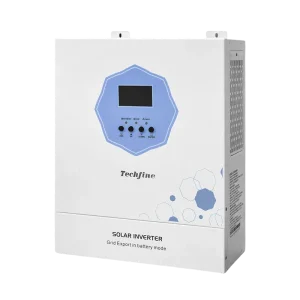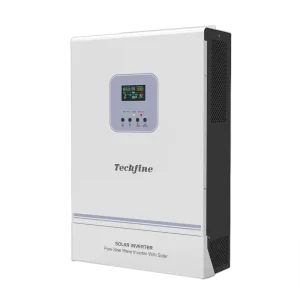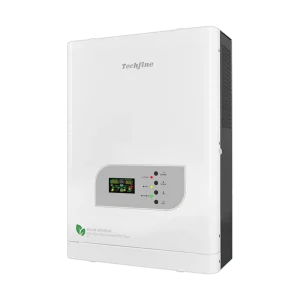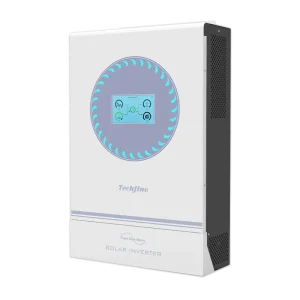


Inverters convert direct current (DC) electricity into alternating current (AC) electricity for homes, businesses, solar systems, vehicles, and backup power applications.
There are many types of inverters, each designed for specific power needs, installation environments, and electrical systems.
This guide explains the most common inverter types and how to choose the right one.
1. Types of Inverters by Output Phase
Single Phase Inverter
Single-phase inverters are commonly used in homes and small businesses. They are suitable for lighting, appliances, and residential solar systems.
Three-Phase Inverter
Three-phase inverters are designed for commercial and industrial applications requiring higher power capacity, balanced loads, motors, and pumps.
2. Types of Inverters by Output Waveform
Modified / Square Wave Inverter
Lower-cost models suitable for simple loads such as basic tools or resistive appliances.
Pure Sine Wave Inverter
Provides clean and stable power ideal for refrigerators, motors, computers, and sensitive electronics.
3. Types of Inverters by Application
Off-Grid Inverter
Used in battery-based systems without utility grid access.
On-Grid Inverter
Designed to feed solar power into the utility grid.
Hybrid Inverter
Supports solar panels, batteries, and the utility grid in one system.
4. Types of Inverters by Transformer Design
High Frequency Inverter
Compact, lightweight, efficient, and common in modern residential products.
Low Frequency Inverter
Heavier and larger, but with strong surge capability and durable for heavy-duty loads.
How to Choose the Right Inverter
- Check your grid type: single phase or three phase
- Choose based on load power
- Select a pure sine wave for sensitive appliances
- Need batteries? Choose a hybrid or off-grid inverter
- Need a heavy motor startup? Consider low-frequency models
For complete systems, inverters are often paired with battery storage systems.
Conclusion
There are many types of inverters, each suited to different applications. The best inverter depends on your power source, loads, grid type, and backup requirements.
Understanding these differences helps you choose a reliable and efficient solution for home, commercial, or solar use.